Service introduction
Treatments at brightkioskstage exist because coloured, heated or simply dry hair often needs more than a routine wash. The service looks at the mid-lengths and ends, the amount of existing colour, and whether the hair feels rough, tangled or tired after drying. A mask, bonding-style salon treatment or a richer conditioner may be chosen — the label matters less than whether it matches the fibre in front of us.
We will not claim to heal, repair at a cellular level, or reverse years of lightening in one bowl. What we can do is improve slip, reduce the sense of strawiness for a time, and make the next style easier to control.
What the appointment involves
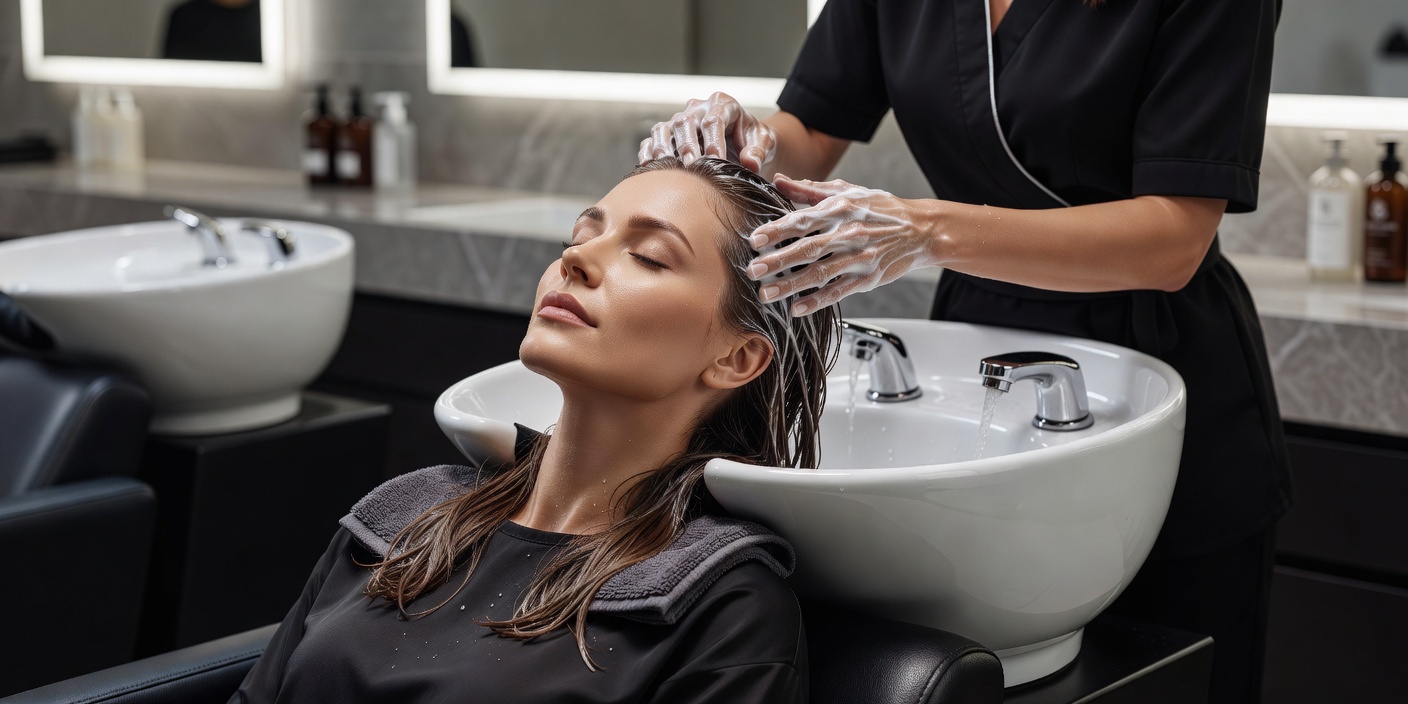
Hair is assessed before water goes on. After a cleanse suited to the scalp and lengths, the treatment is applied where it is needed — often mid-lengths to ends, keeping richer formulas away from a scalp that does not want them. Processing happens at the basin or in the chair. Hair is rinsed thoroughly, then either air-directed or blow-dried so you can feel the difference, if any, in a realistic finish rather than on soaking wet hair only.
Preparation guidance
Mention recent bleach, keratin-type services done elsewhere, or a scalp that reacts easily. If you are having colour the same week, tell us so the two services can be ordered sensibly. Do not arrive expecting a treatment to replace a trim; split length still needs scissors. If you dislike heavy products, say so — a lighter pass is better than a coated feeling you will wash out that night.
What visitors can expect
The visit is quieter than a full colour. You may sit with a processing cap or simply wait at the basin. Scent and texture of products are explained on request. You should leave with hair that is easier to comb and, in many cases, a little smoother when dry. Results vary with the starting point. Fine hair can be weighed down; coarse hair may want a second visit. Both outcomes are discussed rather than oversold.
Suitable situations
- Ends that catch and look dull after repeated colour
- A pause between highlight appointments when the hair feels thirsty
- Preparing hair to take a neater blow-dry
- A standalone care visit when you do not need a cut
Aftercare considerations
Use a moderate wash frequency and avoid stacking several new products at once, or you will not know what is helping. Heat protection remains useful if you blow-dry. If the hair still feels rough after a treatment, the honest next step may be removing length rather than adding more mask. Home-care suggestions stay general: gentle detangling, cooler rinse water, and patience with colour-treated fibre.